Jack Kelly's Role in Newsies Themes Highlights Resilience and Justice
From the gritty streets of turn-of-the-century New York to the defiant anthems that still echo today, Newsies captures a timeless struggle for fairness. At its heart stands Jack Kelly, a character whose journey vividly illustrates core themes of resilience, justice, and the transformative power of collective action. He’s not just the leader of a scrappy band of newsboys; he is the embodiment of their fight, a beacon for what it means to stand up when the odds are stacked against you.
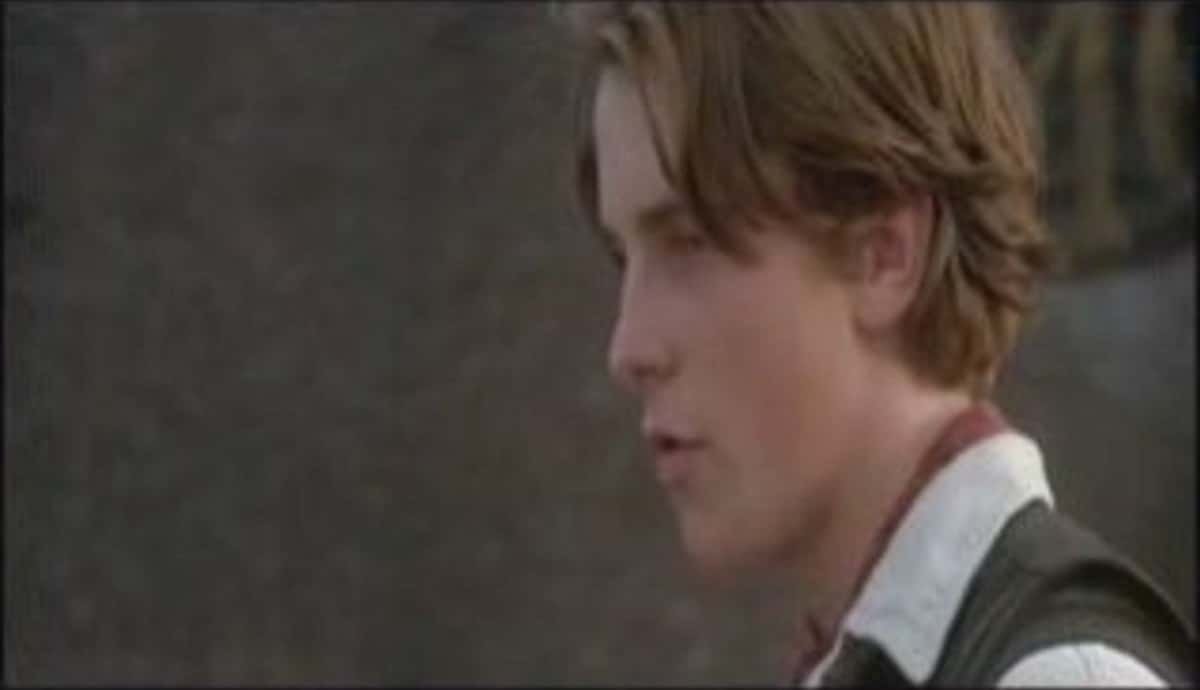
You might remember him as Christian Bale's portrayal in the original film or Jeremy Jordan's powerhouse performance on Broadway. Regardless of the actor, Jack Kelly’s role in Newsies themes remains constant, driving the narrative and shaping its emotional core. He is the dreamer, the reluctant hero, and the catalyst who ignites a movement.
At a Glance: Jack Kelly's Enduring Impact on Newsies Themes
- Charismatic Leadership: Jack rallies a disparate group of newsboys into a unified force.
- Resilience Personified: He faces setbacks and betrayals but always finds a way to fight on.
- Champion of Justice: Jack directly challenges powerful magnates like Pulitzer and Hearst.
- Pursuit of Dreams: His longing for Santa Fe symbolizes a universal desire for freedom and a better life.
- Power of Collective Action: He demonstrates that even the smallest voices can make a difference together.
- Friendship and Loyalty: Jack's relationships with the newsies underscore the importance of community.
The Unlikely Hero: Jack Kelly's Genesis
To truly appreciate Jack Kelly's thematic significance, you first need to understand his origins within the story. Jack "Cowboy" Kelly is introduced as the fictional main protagonist of Newsies, both in its original 1992 film and its later acclaimed stage adaptation. He's a newspaper delivery boy, one among many, struggling to make ends meet in a harsh urban landscape. But from the outset, Jack is different. He possesses an innate charisma, an artistic soul expressed through his sketching, and a deep-seated yearning for something more.
His backstory, though often alluded to rather than fully detailed, paints a picture of a young man hardened by life but not broken. He's an orphan, navigating the streets with a shrewd intelligence and a protective instinct for his fellow newsies. This context is crucial because it immediately establishes a foundation for the themes he will later champion. His personal struggles mirror the broader injustices faced by all the newsboys, making him a relatable and powerful figure. For a deeper dive into his character, consider exploring Everything on Jack Kelly Newsies.
Ignition Point: The 1899 Newsboys' Strike and Jack's Call to Action
The narrative of Newsies is firmly rooted in a real historical event: the 1899 Newsboys’ Strike. This wasn't some minor protest; it was a significant moment where child laborers stood up against powerful publishing giants Joseph Pulitzer (of The World) and William Randolph Hearst (of The Journal). These magnates, seeing an opportunity to offset costs, raised the price of newspapers for the newsies, effectively cutting into their already meager earnings.
It’s against this backdrop that Jack Kelly truly shines. When the publishers raise prices, making it nearly impossible for the newsies to earn a living, it's Jack who recognizes the gravity of the situation and, perhaps reluctantly at first, steps forward. He rallies his fellow newsies, transforming their individual frustrations into a collective outrage. This moment is critical for the theme of justice. It’s not just about money; it’s about fair treatment, dignity, and the basic right to earn a living without being exploited by those in power. Jack's initial cynicism gives way to a burning conviction that they have to fight, demonstrating that sometimes, the biggest battles are fought by those with the least to lose.
Thematic Anchor 1: Resilience in the Face of Adversity
Jack Kelly is, above all, a symbol of resilience. His entire existence is a testament to enduring hardship and bouncing back, even when defeat seems inevitable.
- Personal Struggles: Jack’s longing for Santa Fe isn’t just a whimsical dream; it’s an escape plan from a life of poverty, hardship, and the shadow of a past in a reformatory. This desire for a better life fuels his determination. He faces personal threats, attempts to sway him with promises of comfort, and the constant pressure of responsibility. Yet, he perseveres.
- Leading Through Setbacks: The strike itself is fraught with challenges. The newsies face scabs, police brutality, and the overwhelming power of the publishing empire. There are moments when the strike seems doomed, when spirits falter, and when betrayal threatens to splinter their unity. Jack, as their leader, absorbs these blows. He might waver, he might doubt, but he never truly gives up. He finds strength in his convictions and in the unwavering support of his friends.
- The Power of Hope: Even when hope seems lost, Jack often finds a way to rekindle it. His ability to articulate their plight, to paint a picture of a better future (even if it’s his idealized Santa Fe), instills courage in others. This resilience isn't just about toughness; it's about maintaining hope and the belief that change is possible, no matter how bleak the present appears.
Thematic Anchor 2: The Fight for Justice and Fair Treatment
The core of Newsies is a profound call for justice, and Jack Kelly is its loudest, most persistent voice. He embodies the principle that power should not be wielded arbitrarily to exploit the vulnerable.
- Challenging the Goliaths: Jack directly confronts Joseph Pulitzer and William Randolph Hearst, two of the most influential figures of their time. This is not a subtle protest; it’s a direct challenge to their business practices and moral authority. He articulates the newsies' grievances with clarity and passion, demanding fair prices for the newspapers they sell.
- Moral Outrage as a Motivator: Jack’s outrage isn't just personal; it's deeply moral. He sees the exploitation of children, the disregard for their well-being, and the imbalance of power as fundamentally wrong. This moral compass drives him to action, turning him from a street-smart survivor into a social activist.
- The Power of the Press (Against Itself): Ironically, Jack uses the very tool of his oppressors—the newspaper—to fight them. By publishing their own "Newsie Banner," they turn the tables, exposing the truth of their struggle to a wider public. This act of journalistic defiance, spearheaded by Jack, highlights the essential role of a free and fair press in upholding justice, even when the established press fails to do so. It underscores how understanding media can be a powerful tool for social change.
Thematic Anchor 3: Leadership and the Power of Collective Action
Jack Kelly's journey is a masterclass in grassroots leadership and the transformative power of unity. He starts as a solo dreamer but evolves into a leader who understands that true strength lies in numbers.
- Charismatic Unifier: Jack is depicted as a charismatic and determined leader. He doesn’t merely give orders; he inspires. His passion is infectious, drawing in other strong personalities like Davey and Les, and galvanizing the often-skeptical newsies. He understands the psychology of his peers, knowing when to push, when to inspire, and when to listen.
- From "Me" to "We": Jack’s personal dream of Santa Fe is eventually subsumed by the collective dream of justice for all newsies. His journey explores the power of collective action against injustice, demonstrating that when individuals come together with a common purpose, they can challenge even the most formidable opponents. He teaches the newsies, and the audience, that their individual voices are amplified exponentially when they speak as one.
- Strategic Thinking: Beyond charisma, Jack also exhibits strategic thinking. He's the one who orchestrates the strike, helps organize rallies, and, crucially, masterminds the plan to distribute their own newspaper. This blend of idealism and pragmatism is a hallmark of effective leadership. It's not just about having a dream, but about figuring out the concrete steps to make that dream a reality. You can see how the collective action mirrors the need for union efforts in similar historical contexts.
Thematic Anchor 4: The Pursuit of Dreams and the Lure of Santa Fe
Jack Kelly's iconic longing for Santa Fe is more than just a personal desire; it’s a powerful metaphor that threads through the entire narrative, connecting his individual aspirations to universal themes.
- A Symbol of Freedom: For Jack, Santa Fe represents ultimate freedom, a place devoid of the grime, poverty, and injustices of New York. It's a sanctuary, a blank slate where he can escape his past and truly be himself. This dream makes him relatable; who among us hasn't yearned for an escape, a "Santa Fe" of our own?
- Motivation and Conflict: This dream serves as both a primary motivator and a source of internal conflict for Jack. It pushes him to seek a better life, but it also creates tension with his responsibilities to the newsies. The choice between individual freedom and collective responsibility is a poignant one, and Jack’s struggle to reconcile these two desires is a central dramatic engine of the story.
- Idealism vs. Reality: Santa Fe is an idealized vision, almost mythological. It represents the "American Dream" for a generation of immigrants and working-class youth. Its pursuit highlights the theme of youthful idealism, but the reality of the strike forces Jack to confront whether his personal dream can truly be realized while others suffer. His eventual decision to stay and fight for his friends, even temporarily postponing his dream, underscores the profound shift in his priorities. The idea of personal ambition clashing with broader societal needs is a powerful message about the social impact of Newsies and its enduring relevance.
Thematic Anchor 5: Friendship, Loyalty, and Community
Amidst the grand battles for justice, Newsies never loses sight of the personal connections that bind its characters. Friendship and loyalty are crucial themes, primarily explored through Jack's relationships.
- Brotherhood Among the Newsies: The newsies operate as a tight-knit family, a brotherhood forged by shared hardship and mutual reliance. Jack, despite his sometimes loner tendencies, is deeply embedded in this community. His bond with Crutchie, the vulnerable newsboy he protects, is particularly poignant, highlighting his compassion and loyalty.
- Trust and Betrayal: The theme of friendship is tested through instances of betrayal and shifting loyalties. Jack himself is tempted to abandon the strike for personal gain, and others doubt his leadership. However, the ultimate resolution reaffirms the strength of their bonds, showing that true friendship can overcome even the most difficult trials.
- The Power of Belonging: For orphans and street children, the newsies' community offers a sense of belonging that their individual circumstances deny them. Jack’s leadership nurtures this sense of community, transforming a collection of individuals into a powerful, supportive network. This collective strength is what ultimately enables them to stand up against the publishers.
Common Questions About Jack Kelly's Thematic Role
Q: Was Jack Kelly a real person?
A: No, Jack "Cowboy" Kelly is a fictional character created for the Newsies story. While the 1899 Newsboys' Strike was real, Jack serves as a composite figure embodying the spirit and struggles of the real newsboys who participated.
Q: How does Jack's artistic talent relate to the themes?
A: Jack's sketching often serves as an outlet for his dreams and observations. His drawings of Santa Fe are visual representations of his aspirations for freedom, while his quick sketches of the strike's events can be seen as an early form of citizen journalism, amplifying the newsies' message and fighting injustice with truth.
Q: Why does Jack struggle with leadership initially?
A: Jack often carries the weight of responsibility for his friends, and he's seen the consequences of fighting unwinnable battles. His initial reluctance stems from a desire to protect himself and those he cares about from further pain, contrasting with his inherent leadership qualities and moral compass. This internal struggle makes his eventual commitment to the strike even more powerful.
Q: What is the significance of "Santa Fe" beyond a physical place?
A: "Santa Fe" transcends its geographical location to become a metaphor for hope, freedom, and the American Dream itself. It represents the universal yearning for a better life, a fresh start, and the opportunity to escape hardship and forge one's own destiny. It’s the ultimate vision of understanding the American Dream for a young, marginalized individual.
More Than Just a Story: Jack Kelly's Enduring Legacy
Jack Kelly's role in Newsies themes goes far beyond being a mere plot device; he is the beating heart of the narrative. Through his aspirations, his struggles, and his ultimate triumph, he illuminates universal truths about what it means to be resilient, to fight for justice, and to find strength in unity. The story of Jack Kelly and the newsies reminds us that power doesn’t always reside at the top. Sometimes, it emerges from the most unexpected places—from the voices of the marginalized, from the collective will of those who dare to dream of a better day, and from the unwavering spirit of a charismatic leader who simply refuses to quit.
The lessons Jack Kelly imparts are as relevant today as they were in 1899. They speak to anyone who has ever felt overlooked, exploited, or powerless, offering a powerful testament to the idea that with courage, conviction, and camaraderie, you truly can "seize the day."